




Warm, sunny weather can provide ideal golfing conditions, but playing during a heatwave places extra demands on your body. Prolonged exposure to high temperatures, direct sunlight and several hours of walking can lead to dehydration, reduced concentration and heat exhaustion if you are not properly prepared. Whether you're heading out for a quick nine holes, a full round or spending time on the practice ground, taking a few simple precautions will help you stay safe while enjoying your golf.
This guide explains how to prepare before your round, stay comfortable throughout your game and recover properly afterwards so you can continue enjoying golf even during the hottest days of the year.
Preparation begins well before you arrive at the golf course. Check the weather forecast in advance and, if possible, choose an early morning or late afternoon tee time when temperatures are typically lower. Avoiding the hottest hours of the day can make your round significantly more enjoyable.
Hydration is equally important. Start drinking water several hours before your tee time rather than waiting until you're on the course. Being well hydrated before your round gives your body the best chance of coping with the heat throughout all 18 holes.
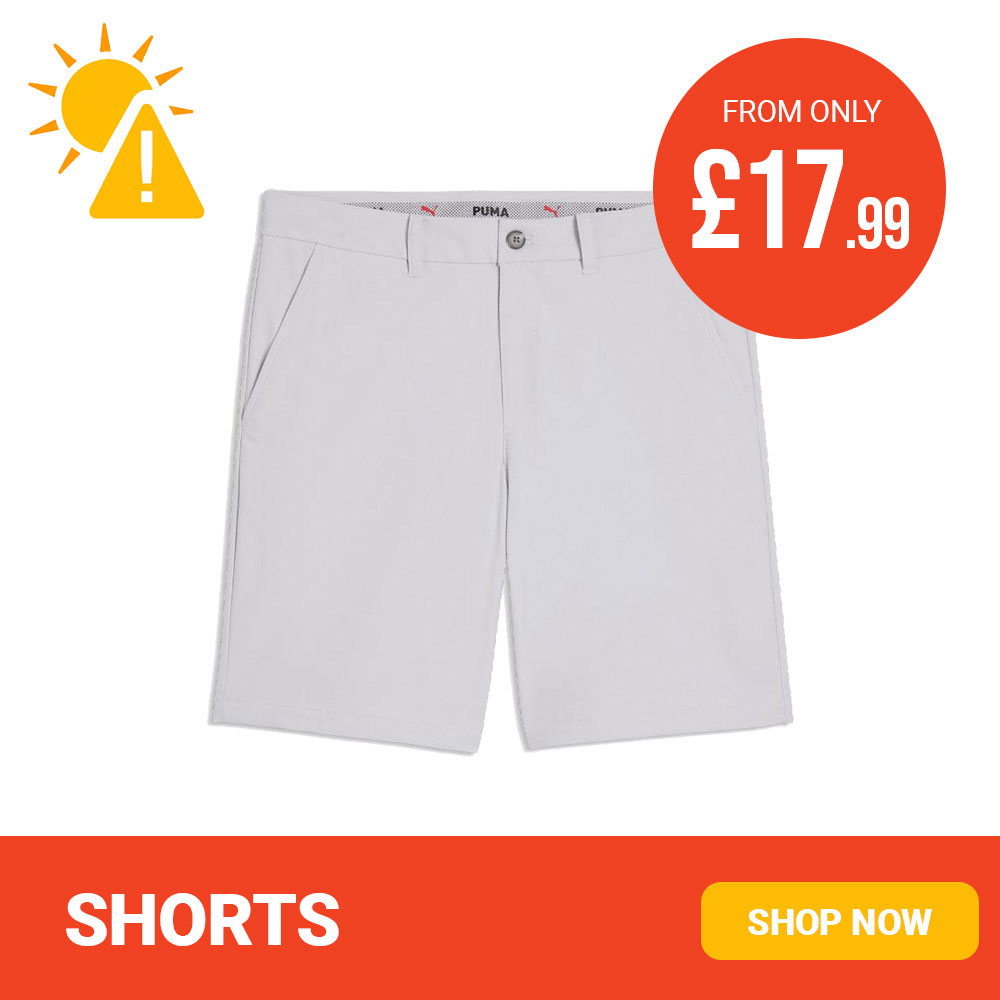
Select lightweight golf clothing made from breathable, moisture-wicking fabrics to help regulate body temperature. Polo shirts, shorts or lightweight trousers designed for summer golf will keep you far more comfortable than heavier garments.
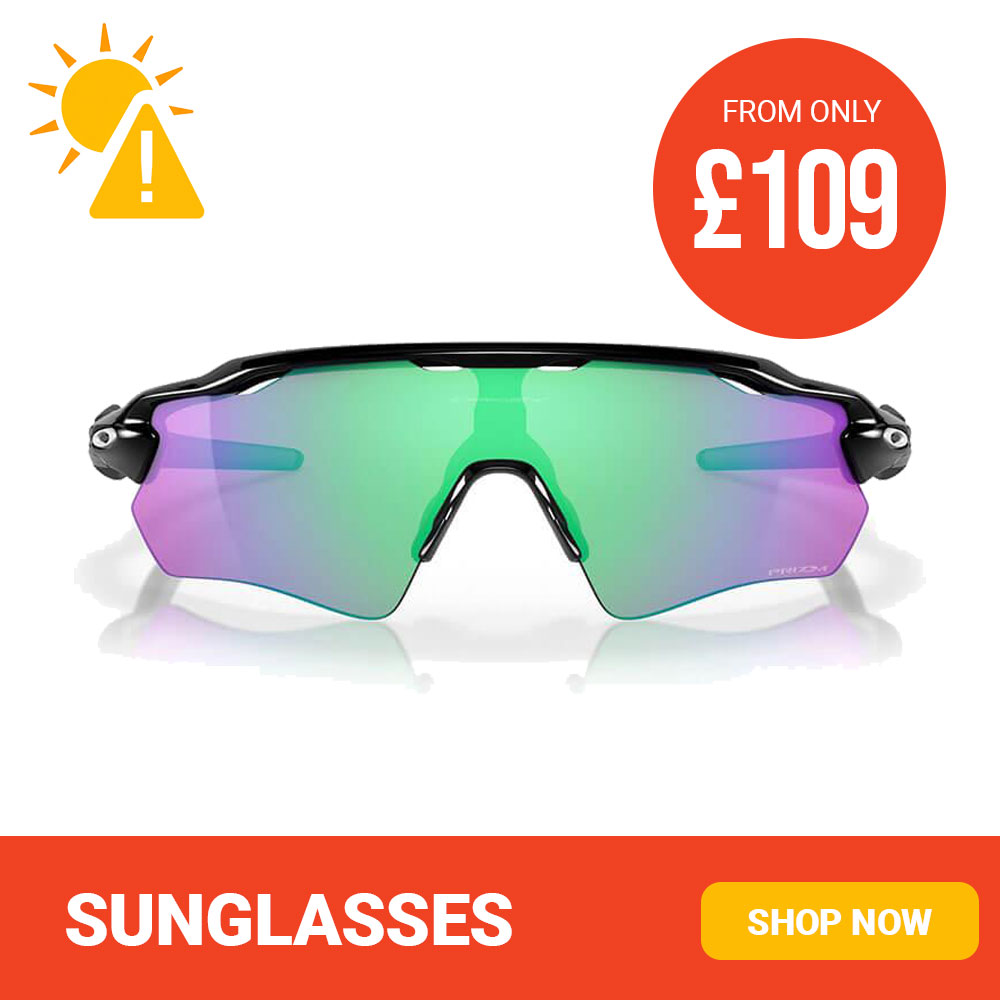
A golf cap or bucket hat provides valuable protection from direct sunlight, while UV-protective sunglasses reduce glare and make reading greens easier. Before leaving home, apply a high-factor sunscreen to all exposed skin and remember to reapply it during your round.
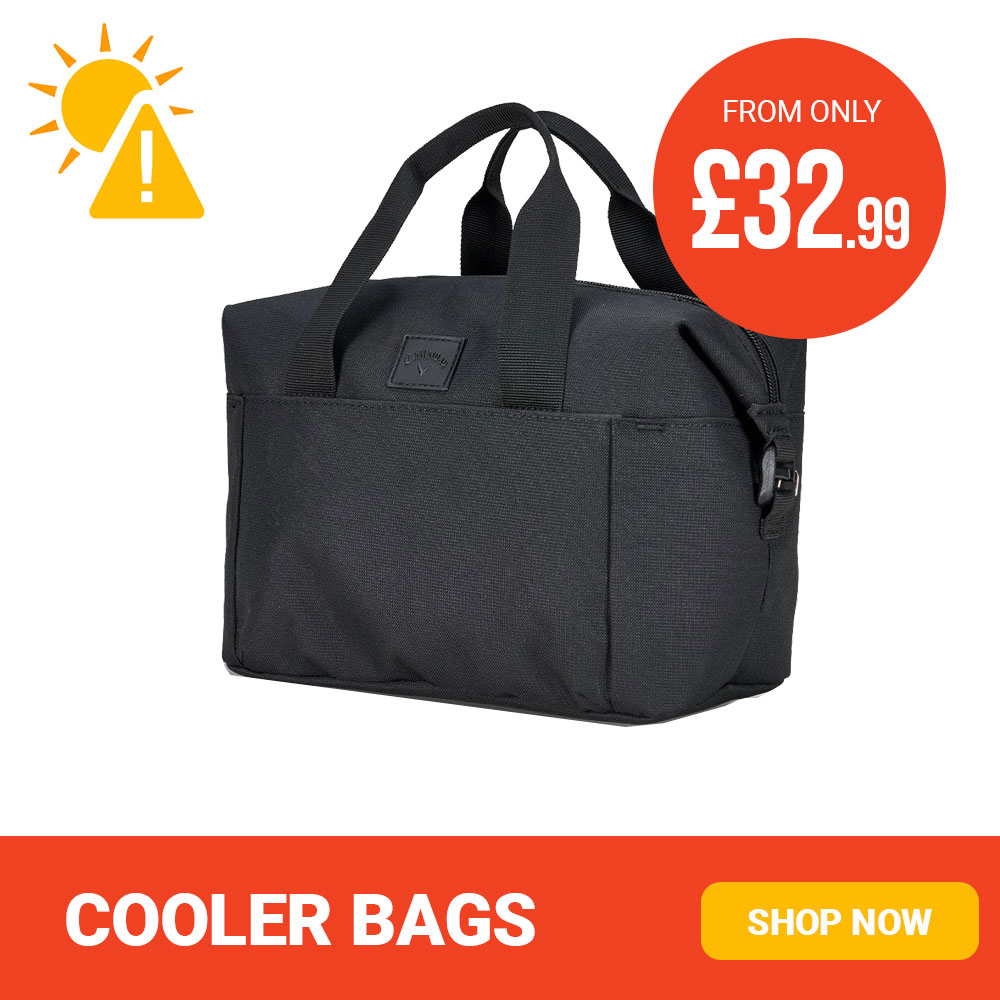
When temperatures climb, the contents of your golf bag become even more important. Alongside your clubs and golf balls, carry plenty of water, electrolyte drinks, cooling towels, sunscreen and nutritious snacks. If you use a push or electric trolley, fitting a golf umbrella can provide welcome shade while walking between shots.
| Essential | Purpose |
|---|---|
| Reusable Water Bottle | Keeps you hydrated throughout your round. |
| Electrolyte Tablets or Sports Drink | Replenishes minerals lost through sweating. |
| Cooling Towel | Provides instant relief when wrapped around your neck. |
| Golf Hat or Cap | Helps shield your face and head from direct sunlight. |
| Polarised Sunglasses | Reduces glare while protecting your eyes. |
| SPF 30+ or SPF 50 Sunscreen | Protects against harmful UV rays. |
| Breathable Golf Clothing | Keeps you cooler and more comfortable. |
| Spare Golf Glove | Allows you to swap gloves if one becomes damp. |
| Golf Umbrella | Creates shade when there is little natural cover. |
| Healthy Snacks | Maintains energy throughout the round. |
Hot weather naturally increases physical exertion, so don't feel the need to rush around the course. Walk at a comfortable pace, take advantage of shaded areas whenever possible and use waiting time on tees to recover rather than standing in direct sunlight.
Drink regularly throughout your round, even if you don't feel thirsty. Small, frequent sips are much more effective than consuming large amounts of water all at once.
Wherever possible, stand beneath trees, shelters or under a golf umbrella while waiting to play. Even a few minutes out of direct sunlight can help reduce body temperature and prevent fatigue from building as the round progresses.
Heat can influence both your physical performance and your decision-making. You may find yourself feeling less energetic or losing focus later in the round, so simplify your course management where possible. Play to sensible targets, avoid unnecessary risks and remember that firmer fairways and faster greens may change your usual club selections.
Always pay attention to how you are feeling. Symptoms such as dizziness, nausea, muscle cramps, excessive fatigue, headaches or confusion may indicate heat exhaustion. If any of these occur, stop playing immediately, move into shade, drink fluids and cool your body. Seek medical attention if symptoms persist or worsen.
Once you've finished playing, continue drinking water and replace electrolytes if needed. Move somewhere cool, change into dry clothing and allow your body temperature to return to normal gradually. A cool shower and a balanced meal containing carbohydrates, protein and fluids will aid recovery and prepare you for your next round.



High temperatures can also affect your equipment. Avoid leaving golf balls, gloves, batteries, GPS devices and rangefinders inside a hot car for extended periods. Allow shoes and gloves to dry naturally after your round to help extend their lifespan.
Golf is one of the best ways to enjoy the outdoors, and with the right preparation you can continue playing comfortably throughout the hottest months of the year. Staying hydrated, wearing suitable clothing, protecting yourself from the sun and listening to your body will help you enjoy every round while reducing the risks associated with extreme temperatures.
Remember: If temperatures become exceptionally high or official heat warnings are issued, consider shortening your round or rescheduling your golf for a cooler part of the day.

